Showing posts with label Symptoms. Show all posts

Tuesday, March 19, 2013

Digestive Tract Ulcers


A break in the mucus membrane lining of the digestive tract results in ulcers.
The digestive tract is lined by mucus membrane. A break in the mucus membrane lining results in the formation of an ulcer.
Ulcers can affect the digestive tract right from the mouth to the anus. Symptoms depend on the location of the ulcers. Pain is a usual feature. In cases of deeper ulcers, bleeding may be present. 

Ulcers could be due to various causes. These include infectious causes like Helicobacter pylori resulting in stomach ulcers, inflammatory causes like Crohn’s disease and ulcerative colitis, or spicy food, alcohol or medications. In some cases, ulcers may be due to a malignancy. Hence, it is important to identify the cause of the ulcers and treat accordingly.

Detection of ulcers in the mouth is usually straightforward, since it is the visible part of the digestive tract. Ulcer diagnosis in other parts of the digestive tract is not as simple due to the inaccessibility of these parts. However, newer procedures like endoscopy and colonoscopy have made diagnosis of inaccessible ulcers also possible.

Upper Digestive Tract Ulcers

The causes of ulcers of the upper digestive tract are listed below:

Ulcers in the Oral Cavity: Ulcers in the oral cavity could be due to multiple causes. Some conditions that result in ulcers of the mouth are:

 Recurrent Aphthous Stomatitis: Recurrent aphthous stomatitis is a common condition that results in recurrent small painful ulcers in the mouth. The ulcers are shallow, round or ovoid and recur at intervals of a few days or up to 2 to 3 months.

 Trauma, Cancer, and Infections like Syphilis and Tuberculosis: These conditions result in a single mouth ulcer. If the ulcer does not heal in 10-14 days after the source of trauma is removed, it should be evaluated for cancer.

 Behçet’s disease: Behçet’s disease is an inflammatory condition in which the patient suffers from recurrent oral aphthous ulcers. In addition, the patient also suffers from genital ulcers, inflammation of the eye and skin lesions. In some cases, joints, nervous system, blood vessels and intestines may also be affected.

 Herpes: Viral infections like herpes can cause painful mouth ulcers. Herpes usually manifests as small boils or blisters.. Lymph nodes in the neck may be swollen.

 Vitamin Deficiency: Vitamin deficiency, especially deficiency of vitamin B and C can result in mouth ulcers.

Ulcers of the Esophagus:

 Esophagitis: Esophagitis is a condition marked by inflammation of the esophagus or food pipe, sometimes accompanied by ulceration. It is often caused by reflux of acid from the stomach into the esophagus.

 Mallory-Weiss Tear: Mallory-Weiss tear is a condition where the lining of the esophagus is torn due to prolonged vomiting or conditions where the abdominal pressure is increased like coughing, severe hiccupping or childbirth.

Stomach and Duodenal Ulcers: Stomach and duodenal ulcers cause pain in the upper part of the abdomen. The pain in stomach ulcers is usually increased just following a meal, whereas in duodenal ulcers, it occurs 2 to 3 hours after a meal. The pain in duodenal ulcers is usually relieved with food or antacids. It may wake up the patient at night. The pain of stomach or duodenal ulcer may be accompanied by dark stools and anemia (due to bleeding from the ulcer). Other symptoms like belching, bloating, and distention of the abdomen may also be present. 

Causes of stomach and duodenal ulcers include:

 Helicobacter Pylori Infection: Infection with a bacterium called H. pylori results in stomach ulcers. Treatment with a specific course of antibiotics and acid suppressant is used to eradicate the bacteria.

 NSAIDs: Painkillers belonging to the NSAID group like indomethacin, naproxen and diclofenac, especially when used continuously for conditions like arthritis, can cause stomach ulcers. These drugs damage the stomach lining resulting in ulcers. The patient usually gives a history of using these drugs, sometimes maybe on an empty stomach. This helps to diagnose the condition.

 Alcohol and Caffeine: Alcohol and caffeine intake irritates the stomach lining and increases the chances of ulcers.

 Stress: Stressful conditions like trauma, burns, surgery and severe medical illness can result in stomach ulcers.

 Stomach Cancer: In rare cases, the stomach ulcer may be over a cancerous area. Patients have additional symptoms of unexplained weight loss, progressive difficulty in swallowing, and sometimes vomiting. 

 Zollinger-Ellison Syndrome: Zollinger-Ellison syndrome results in multiple stomach and duodenal ulcers. The patient may also suffer from kidney stones, watery diarrhea, or malabsorption. The condition is diagnosed by measuring the levels of gastrin, a hormone that stimulates the secretion of gastric acid.

Lower Digestive Tract Ulcers

Some of the conditions that result in ulcers of the lower digestive tract are:

Intestinal and Anal Ulcers: 

 Ulcerative Colitis: Ulcerative colitis is an inflammatory disease where multiple ulcers are present in the large intestines. The patient may complain of blood in stools, frequent stools with mucus discharge, pain in abdomen and weight loss. The patient may also show the presence of inflammation at other sites like the eyes, outer covering of lungs, skin and joints.

 Infection: Infections like HIV, tuberculosis, cytomegalovirus and typhoid can result in bowel ulcers especially in complicated cases. Symptoms of the underlying infection are usually obvious in these cases.

 Cancer: Cancer can affect the bowels and result in ulceration. The patient may suffer from weight loss, blood in stools, abdominal pain and discomfort, changes in bowel habits and narrowing of stools. A biopsy through colonoscopy helps to diagnose the condition.

 Anal Fissure: A tear in the anal region can result in the formation of a fissure, which is very painful and can bleed. The pain is particularly more while passing stools.

 Drugs: Drugs like enteric coated potassium and NSAIDs can irritate the intestinal lining resulting in ulcers. A history of drug intake should be elicited in patients with intestinal ulcers.

 Reduced Blood Supply: Reduced blood supply to the colon can result in ulcerations. It could occur due to a number of reasons like following a cardiac problem, a clot in the blood vessels supplying to the intestines or inflammation of the blood vessels. The patient may show symptoms like abdominal pain, diarrhea, and bleeding.

 Radiation: Radiation damages the lining of the intestines resulting in ulcerations. The patient may show symptoms of abdominal cramps, bleeding and mucus discharge. A history of prior radiation can be elicited from these patients.

Ulcers at Multiple Sites in the Digestive Tract:

 Crohn’s Disease: Crohn’s disease is an autoimmune disease that can result in ulcers anywhere from the mouth to the large intestines, though it more commonly affects the intestines. Symptoms vary from mild to severe and may include abdominal pain, fatigue, loss of appetite, pain while passing stools, diarrhea, weight loss and bleeding. Other organs like the joints, eyes and skin may also be involved.

www.curenfly.com

Friday, March 15, 2013

Ear Pain

Ear Pain

Pain in the ear is either due to a condition that directly affects the ear, or is referred from the surrounding areas. 


Ear pain is a common symptom that could occur either due to a problem in the ear itself or a neighboring part of the head or face. Ear pain due to a local cause is usually detected on ear examination. For example, an infection or a foreign body can be directly diagnosed through ear examination. If this examination does not show any abnormality, the surrounding structures like the mouth should also be examined.

The ear is made up of three parts: the external or outer ear, the middle ear and the inner ear. The external ear extends through the ear canal till the eardrum. The middle ear extends from the eardrum till a spiral structure called the cochlea, which forms the internal ear. Conditions that cause ear pain are usually located in the external or middle ear.

Common causes of ear pain are:

Conditions affecting the ear:

 Acute Otitis Externa: Otitis externa refers to infection of the external or outer ear. The patient complains of pain when the examiner pulls the cartilage of the ear or presses on the tragus (the small cartilaginous projection in front of the ear). The ear canal may be red and swollen. The infection may follow an insect bite, scratch or ear piercing.

 Acute Otitis Media: Acute otitis media is an infection of the middle ear and is one of the more common causes of ear pain. On examination of the ear, the eardrum may be red and bulging. In some cases especially in diabetes patients or patients with reduced immunity, the infection and pain can be severe; the condition is referred to as malignant otitis externa.

 Foreign Body in Ear: Foreign bodies inserted in the ears are common causes of ear pain in children. The foreign body is usually visible in the ear canal on examination and can be removed with a curette or a forceps. In some cases, excessive ear wax can result in ear pain.

 Changes in External Pressure: Changes in external pressure can result in ear pain. This situation is frequently experienced during a flight or while scuba diving. The pain usually subsides on its own. In some cases however, the pressure changes can damage the eardrum resulting in accumulation of fluid or blood in the middle ear.

 Trauma: Trauma to the ear due to injury can cause pain of the ear. A history of trauma is usually present in these patients.

 Cancer of the External Ear: Squamous cell cancer, a cancer affecting the external ear, is a rare cause of ear pain. The pain tends to be severe, deep and unrelenting.

 Ramsay Hunt Syndrome: Ramsay Hunt Syndrome is a condition where the nerves supplying to the area near the ear are affected by a viral infection called herpes zoster. The patient complains of features like ear pain, paralysis of the face and the presence of fluid-filled boils in the ear canal. Other associated symptoms include hearing loss, ringing in the ear, vertigo and taste disturbances.

 Relapsing Polychondritis: Relapsing polychondritis is a condition that affects the cartilages of different parts of the body including the ear. The ears appear red in color. However, the earlobe, which lacks cartilage, appears normal. The condition keeps relapsing. Cartilages in other organs are also often involved, which include the eyes, nose, heart, kidneys and the nervous system.

Conditions Causing Referred Pain to the Ear: Conditions that cause ear pain despite a normal ear examination are:

 TMJ Syndrome: The TMJ is the jaw joint. TMJ syndrome is a condition where the patient experiences ear pain especially while moving the jaw during activities like talking or chewing. Examination of the joint may elicit pain and a crepitus sound on moving the joint. The pain may subside with painkillers and a soft diet.

 Dental Causes: Pain in the molars due to caries, abscess or due to impaction of the molar can lead to referred pain in the ear. It is therefore extremely important to check the teeth in a patient complaining of ear pain.

 Sore Throat: Sore throat or enlarged and infected tonsils can result in ear pain. Again, this condition is diagnosed on examination of the mouth.

 Tumors of the face and neck region: Tumors of nose, mouth, neck and chest can rarely cause ear pain. The patient may show symptoms like difficulty with swallowing, hoarseness or weight loss. He/she may also give a history of smoking.

 Neuralgias: Neuralgias are conditions that affect nerves and cause severe pain in the distribution of the nerve. Neuralgias that cause severe pain around the face include trigeminal neuralgia, glossopharyngeal neuralgia and sphenopalatine neuralgia. The pain is often sharp, shooting, and severe and appears in paroxysms.

 Temporal Arteritis: Temporal arteritis is a condition that affects the blood vessels at the temple area. This pain may refer to the ear. The patient complains of pain when pressure is applied to the temporal arteries. The ESR test, which is a blood test, is usually abnormal in these patients.

 Cervical Spine Arthritis: Neck pain due to arthritis can also be referred to the ear. It is therefore necessary to examine the neck as well in a patient complaining of ear pain, especially if the ear examination is normal. 

Monday, March 11, 2013

Decreased Consciousness

Various levels of decreased consciousness include delirium, stupor, coma, persistent vegetative state, minimal conscious state and brain death.

Consciousness is a state of being aware of self and surroundings. It is decreased when large parts of the brain or specific parts which are associated with maintaining consciousness are affected by a disease process. There are various levels of decreased consciousness. These are:

 Delirium is a sudden severe state of confusion that is usually due to an illness.

 Stupor is a condition where the patient is unresponsive to normal stimuli but can be aroused by vigorous physical stimulation like excessive shaking or pinching.

 Coma is a state in which a person cannot be aroused even with vigorous stimuli.

 Persistent vegetative state is a condition where a person shows some improvement following a coma, and appears to lie motionless and without awareness and higher mental activity. It occurs when the brain hemispheres cannot work and the functions are taken over by the lower centers like the brainstem and the thalamus. These patients usually die after months or years, but rare cases of partial recovery have been encountered in clinical practice.

 Minimally conscious state is a condition where the patient exhibits inconsistent signs of consciousness. The patients show some degree of awareness of self and surrounding.

 Locked-in state is a condition where the patient is conscious and aware of the surroundings but unable to move. The patient can only respond by opening and closing the eyes.

 Brain death is a state where the patient suffers from irreversible coma with loss of ability to maintain body functions including breathing.

In cases where the cause can be reversed, the patient may recover completely if there is no accompanying brain damage. In some cases, the patient needs continuous ventilatory support.

A history obtained from the patient’s attendants often helps to diagnose the underlying cause of decreased consciousness. Some features that could help in the diagnosis are:

 A high temperature may indicate infection, heat stroke or drug overdose.

 Decreased consciousness in a diabetic may be due to a low or high blood sugar level.

 An abrupt decrease in consciousness could be due to a bleed in the brain or its immediate surrounding, or a brainstem stroke. A slower decrease could indicate a tumor.

 An abnormally low temperature may be due to prolonged exposure to cold, hypothyroidism, excessive alcohol or medication intake, or infection in older people.

 A metabolic cause should be suspected if the patient suffered from intoxication or agitated delirium before the decrease in consciousness.

 An absence of response to painful stimuli in one limb may indicate a problem in the brain. Absent responses of limbs on both sides could indicate that the brain stem is involved.

 Pinpoint pupils that respond to light may indicate opioid poisoning. Examination of eye movements helps to localize the site of the lesion.

Some of the tests that could assist in the diagnosis of the cause of decreased consciousness are:

 Blood tests: An abnormal liver or kidney function test may indicate liver or kidney failure, respectively. A low blood sugar level indicates hypoglycemia.

 A CT scan or MRI can detect brain tumors or structural damage to the brain.

 A spinal tap may show the presence of meningitis or a bleed around the brain.

Causes of decreased levels of consciousness are listed below:

Conditions that decrease oxygen, glucose or cofactors supply to the brain: Conditions that deprive the brain of its requirements to function properly result in an altered level of consciousness. These include:

 Alterations in glucose levels: High blood sugar levels can lead to diabetic coma. On the other hand, low glucose levels can lead to hypoglycemic coma. An altered level of consciousness in a diabetic should raise the suspicion of a problem in blood sugar level.

 Cardiac causes: A cardiac arrest results in a reduced supply of oxygen-rich blood to the brain. Other heart conditions like heart failure could cause similar problems. These conditions may be diagnosed with an ECG or other cardiac tests. Low blood pressure could also result in decreased blood supply to the brain.

 Lung diseases: Severe lung conditions like chronic obstructive pulmonary disease, pulmonary edema (fluid in the lungs), pulmonary embolism (a clot in the lungs), and severe and long-lasting asthma attacks can reduce oxygen content of the blood and thereby the supply to the brain and result in brain damage. A difficulty with breathing is usually obvious in these patients.

 Deficiency of B group of vitamins: A person with severe deficiency of vitamin B1 or thiamine suffers from beriberi, which sometimes causes confusion and delusions. Deficiency of the vitamin B3 or niacin results in pellagra, which is also associated with confessional states. In addition, the patient shows digestive problems and skin inflammation.

Metabolic, Hormonal and Other General Conditions: Metabolic conditions result in the accumulation of excessive or toxic substances in the blood resulting in decreased consciousness: Some of these conditions are listed below:

 Liver failure: Liver failure results in the accumulation of toxic substances in the body, which affect the brain and reduce consciousness, even leading to hepatic encephalopathy and coma. Other signs of liver failure may be present like accumulation of fluid in the abdomen and jaundice.

 Kidney failure: Kidney failure results in high levels of urea in the body, which could affect the level of consciousness. Other features of kidney failure may be present in these patients.

 Hypothyroidism: Very low or very high thyroid levels are associated with altered consciousness. Very low levels could result in a type of coma called myxedema coma.

 Hypothermia or hyperthermia: A change in temperature can affect the brain resulting in damage. High temperatures tend to affect the brain more as compared to lower temperatures.

 Abnormal sodium levels:
High sodium levels in the blood, which is often a consequence of dehydration, can reduce consciousness. On the other hand, hyponatremia or low sodium levels could result in accumulation of fluid in the brain, again affecting the level of consciousness.

Drugs, Alcohol and Poisons: Consciousness could be affected by substances that act on the brain. A history of intake of these substances may be obtained from the patient’s relatives. Some of these are:

 Drugs: Drugs are often the cause of an altered level of consciousness in older individuals. This is especially in the case of drugs that act on the brain like sedatives and opioids. Older people are more sensitive to medications and often take multiple medications. Dosages if not reduced in these individuals can result in decreased consciousness. People who take drugs that could possibly reduce their level of consciousness are advised to avoid using machinery or drive to avoid accidents. They are also advised to avoid alcohol due to the additive effect in reducing brain function.

 Alcohol: Alcohol affects the brain in multiple ways. It can directly affect the brain cells causing them to function slowly. In addition, it can affect lung function and reduce the oxygen supply to the brain.

 Poisoning: Poisoning with carbon monoxide results in reduced oxygen-rich blood to the brain.

Conditions affecting the brain: Conditions that directly affect either both the cerebral halves of the brain or the reticular activating system of the brainstem (which is responsible for arousal) can result in reduced levels of consciousness. These conditions are diagnosed based on a detailed neurological examination and tests like CT scan and MRI. These conditions include:

 Stroke: A stroke can affect consciousness in a number of ways. It decreases blood supply to the areas of the brain involved in maintaining consciousness like the brainstem and the cerebrum. A bleed within or just outside the brain can exert pressure on the brain or result in irritation.

 Brain tumors / abscess: A brain tumor or abscess can occupy space within the skull and exert pressure on a part of the brain. In some cases, it can press on the brain excessively damaging it and even pushing it through some of the openings at the base of the skull. This situation is referred to as herniation of the brain, which can worsen the patient’s condition. The tumor may also directly affect the areas of the brain controlling consciousness. Breathing may be altered in these patients. Examination of the eyes helps in the diagnosis of these conditions.

 Aneurysms in the brain:
An aneurysm is a swelling of a blood vessel of the brain. It could affect consciousness by exerting pressure on the brain or resulting in a bleed.

 Head injury: Head injury may damage the brain and cause loss of consciousness, sometimes even leading to coma. In some cases, the head injury results in a bleed within the skull. The bleed puts pressure on a part of the brain and can result in decreased consciousness.

 Seizures:
Following a seizure, the patient sometimes goes into a deep sleep. This is referred to as the post-ictal stage.

 Infections: Infections of the brain called encephalitis, or the covering of the brain called meningitis can result in altered levels of consciousness. The neck of the patient may be rigid in cases of meningitis. Besides, sepsis may also affect the brain, altering the consciousness levels.

www.curenfly.com

Saturday, March 9, 2013

Dizziness - Symptom Evaluation

Dizziness - Symptom Evaluation


Dizziness is a common symptom for which a person visits a doctor. Balance is maintained by signals sent from the eyes, inner ears and the nervous system to the brain. Dizziness is of 4 main types, vertigo, disequilibrium, presyncope and lightheadedness. A careful history taking and examination by the doctor helps to differentiate between these four conditions.

When a patient complains of dizziness, the doctor will first enquire into the more common causes of dizziness. These include:

 Caffeine, nicotine and alcohol intake

 History of head and neck injuries

 History of anemia or low blood sugar levels

 Medication intake

Some medications result in dizziness by causing a fall in blood pressure. These include ACE inhibitors like enalapril, beta blockers like atenolol, diuretics like furosemide and nitrates like nitroglycerine. Medications that act on the brain like antipsychotics, opioids and anti-Parkinsonism drugs also cause dizziness. Sildenafil, the active ingredient of Viagra is also known to cause dizziness.

Some features accompanying dizziness that help to identify the cause are mentioned here. The individual causes are described in the next section.

 Episodic vertigo without hearing loss may indicate benign paroxysmal positional vertigo (BPPV)

 Episodic vertigo with hearing loss may be due to Meniere’s disease

 Episodic vertigo with symptoms of migraine may indicate migrainous vertigo

 Lightheadedness with excessively fast breathing may indicate hyperventilation syndrome

 A fall in blood pressure or an increase in pulse rate with a change in position may indicate orthostatic hypotension

 A shuffling gait with imbalance may indicate Parkinsonism

 A decrease in sensation in the lower limbs associated with dizziness especially feet may indicate peripheral neuropathy

 Vertigo preceded by a recent upper respiratory tract infection may be due to vestibular neuronitis or labyrinthitis


Some causes of dizziness are described below.

Dizziness is classified into the following 4 types:

Vertigo: Vertigo is the most common type of dizziness that people experience. The patients experience a false sense of motion, for example, they may complain that the room spins around them. Causes of vertigo are:

 Benign paroxysmal positional vertigo (BPPV): BPPV occurs due to the presence of small stones of calcium carbonate in the semicircular canals of the inner ear, which give a false sense of motion. The vertigo is episodic and is not accompanied by hearing loss. It is often accompanied by nausea and vomiting. The patient may experience a brief but intense episode of vertigo when he/she turns in bed at night or changes the head position. A test called the Dix-Hallpike maneuver is used to diagnose BPPV. During this test, the patient is in a seated position. The doctor turns the patient’s head 45 degrees to one side, then quickly puts the patient in lying down position with the head hanging about 20 degrees over the end of the table. The test is then repeated for the opposite side. Nystagmus or rapid involuntary movement of the eyes during the test is diagnostic of BPPV.

 Vestibular neuritis: A viral infection of the vestibular nerve results in vestibular neuritis. The patient usually does not suffer from hearing loss. The vertigo is persistent. Abnormal eye movements may be present.

 Labyrinthitis:
Labyrinthitis or infection of the labyrinthine organs results in vertigo with hearing loss. The vertigo is persistent and may be preceded by a recent upper respiratory tract infection.

 Meniere disease: Meniere disease occurs due to increase in fluid pressure in the inner ear. It is usually accompanied by hearing loss and tinnitus (abnormal sounds in the ear) and occurs in episodes.

 Perilymph fistula:
Perilymph fistula is a condition where there is leakage of inner ear fluid into the middle ear. It may be present from birth or develop following trauma like head injury, drastic changes in atmospheric pressure, physical exertion, ear surgery, or chronic ear infections. It results in unsteadiness when walking or standing that increases with activity and decreases with rest.

 Migrainous vertigo or vestibular migraine:
Migraine can co-exist in patients with vestibular disease. Patients with are diagnosed with migrainous vertigo if they suffer from episodic migraine and in addition from migraine headache, photophobia, phonophobia or aura during at least two episodes of vertigo.

 Other central causes: Tumors, stroke or other conditions affecting the brain especially the areas involved in balance result in vertigo. These are more serious causes of vertigo. A patient with a central cause is severely unstable and cannot walk or stand without falling.

Disequilibrium: A patient with disequilibrium feels off balance and wobbly. In disequilibrium, the brain does not receive adequate information about the body’s position from the various senses like the eyes and inner ears. The reasons for imbalance could be:

 Stroke:
A stroke is one of the reasons for imbalance. It is also accompanied by other symptoms of stroke.

 Poor vision: Poor vision can lead to imbalance, resulting in falls.

 Nerve and muscle related disorders: Other disorders that could cause imbalance are those that can affect nerves and muscles like Parkinson disease, peripheral neuropathy, and musculoskeletal disorders that may affect gait.

 Drugs acting on the brain:
Drugs that act on the brain like benzodiazepines and tricyclic antidepressants can cause imbalance and falls especially in older individuals.

Presyncope: A patient with presyncope gets a feeling of losing consciousness or blacking out. Presyncope usually occurs due to a fall in blood pressure, often due to a heart-related cause. This results in reduced blood circulation to the brain and a feeling of dizziness. Causes of presyncope are:

 Abnormal heart rhythms like supraventricular tachycardias and heart attack. Cardiac tests may help to diagnose these conditions.

 Narrowing of the carotid artery (the artery that supplies blood to the brain). In addition, cervical spondylosis may also restrict the blood supply to the brain resulting in dizziness.

 Orthostatic hypotension: Blood pressure that falls with changes in posture is referred to as orthostatic hypotension. The blood pressure is recorded in lying down posture and then again in the standing posture. A fall in the systolic blood pressure of 30mm of Hg, diastolic blood pressure of 10mm of Hg or an increase in pulse of 30 beats per minute is indicative of orthostatic hypotension. A number of medications like reserpine, doxazosin and clonidine can cause orthostatic hypotension.

Lightheadedness: A patient with lightheadedness complains of vague symptoms like feeling disconnected with the environment. Causes of lightheadedness include:

 Psychiatric causes: Psychiatric causes like anxiety, depression and panic disorder can cause lightheadedness.

 Alcohol intoxication:
Alcohol intoxication can also cause lightheadedness.

 Hyperventilation syndrome: Patients with hyperventilation syndrome breathe excessively fast. This may give rise to abnormalities in the pH of blood resulting in lightheadedness. The patient may suffer from additional symptoms like chest pain, paresthesias, bloating and pain over the stomach region.


 www.curenfly.com


Thursday, March 7, 2013

Heartburn - Symptom Evaluation

Heartburn

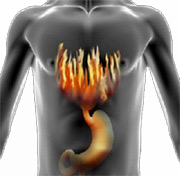
Heartburn is a symptom that occurs due to irritation of the food pipe either due to acid reflux or direct contact with spicy and irritant foods.

Heartburn is a burning and painful feeling in the chest just behind the chest-bone. In a normal person, the part where the food pipe meets the stomach is guarded by muscular valve called the lower esophageal sphincter. The sphincter ensures movement of food from the food pipe into the stomach, and at the same time prevents contents of the stomach from moving back into the food pipe. In some cases however, the tone of the lower esophageal sphincter may be reduced, allowing the acidic contents of the stomach to move back into the food pipe. This results in symptoms of heartburn. Heartburn may also occur due to direct irritation of the food pipe. The pain of heartburn typically appears after a meal and is increased if the person lies down soon after the meal. Patients with reflux symptoms usually experience heartburn at least twice a week.

On long term, reflux can cause complications including cancer of the food pipe in some individuals. Reflux not only causes inflammation of the food pipe; the acid may reflux into the respiratory tract resulting in cough, laryngitis (inflammation of the sound box), pharyngitis (inflammation of the upper throat), sinusitis (inflammation of the sinuses) and lung complications like bronchitis, asthma, and pneumonia.

The cause of heartburn is usually obvious in each case. Once heartburn is diagnosed, it is important to treat it early to prevent complications.

Some causes of heartburn are listed below:

Substances that irritate the food pipe:

Substances like spicy foods, citrus fruits, cigarette smoke and aspirin-like painkillers that irritate the food pipe can result in heartburn. Decreased lower esophageal sphincter tone:  In many cases, the cause of decreased tone of the lower esophageal sphincter is not known. In other cases, it may be due to:

 Intake of certain foods and beverages: Certain foods and beverages like peppermint, caffeinated drinks like coffee, tea, and soft drinks, chocolate, fatty foods, and alcohol decrease the tone of the lower esophageal sphincter resulting in reflux and heartburn.

 Scleroderma: Patients with autoimmune conditions like scleroderma may have a decreased lower esophageal sphincter tone resulting in reflux.

 Smoking: In addition to acting as an irritant, smoking also decreases lower esophageal sphincter tone leading to reflux.

 Medications: Some medications like anticholinergic drugs and smooth muscle relaxants relax the lower esophageal tone and result in reflux.

 Surgery: Damage to the lower esophageal sphincter due to surgery can decrease the tone of the lower esophageal sphincter.

Conditions where the gastric contents are near the gastroesophageal junction: This happens in the following situations:

 While lying or bending down: Contents of the stomach tend to move backwards into the food pipe when a person lies or bends down especially soon after a meal.

 Hiatus hernia: Hiatus hernia is a condition where a part of the stomach moves up into the chest due to weakness in the diaphragm (the muscular partition between the chest and the abdomen). Symptoms may be more obvious in conditions like pregnancy where the pressure on the stomach is increased.

Conditions where pressure in the stomach is increased: The pressure on the stomach is increased in conditions where the intraabdominal pressure is high. This is seen in conditions like obesity, pregnancy, ascitis (accumulation of fluid in the abdomen) and wearing tight clothes.

www.curenfly.com

Tuesday, March 5, 2013

ACIDITY

What is ACIDITY ?

The stomach normally secretes acid that is essential in the digestive process. This acid helps in breaking down the food during digestion. When there is excess production of acid by the gastric glands of the stomach, it results in the condition known as acidity. Dyspepsia, heartburn and the formation of ulcers are some of the symptoms. It is more common in highly emotional and nervous individuals.

Common Causes of Acidity

Consumption of Alcohol
Highly spicy foodstuffs
Non-vegetarian diets
Non-Steroidal Anti-Inflammatory Drugs (NSAID's)


Most acidity problems occur

After meals
When lifting weight or straining and applying pressure in the intra-abdominal area.
At night when lying down.
Ulcers also occur as a result of over secretion of acid.


Home Remedies for Acidity
 
After all three meals, take a small piece of jaggery and keep it in your mouth and suck. Voilá no more acidity.

Boil one cup of water. To this add 1 tsp of Aniseed (Saunf). Cover and leave overnight. Strain the water in the morning, add 1 tsp of honey. When this is taken 3 times a day it prevents acidity.

To 1 ½ liters of water add 1 tsp Caraway seeds (shah jeera). Bring to a boil and simmer for 15 minutes. Sip while warm. Have the concoction 2-3 times a day for 5-6 days.

Powder one clove and one cardamom; use the powder as a mouth freshener after every meal. No more acidity and no more bad breath.

www.curenfly.com

Saturday, March 2, 2013

Asthma

What is Asthma?

Asthma is a chronic lung disease characterized by a decreased ability to breathe easily. The flow of air in and out of the lungs is obstructed in the airways that carry air to the air sacs deep inside the lung. The larger airways (bronchi), branches into smaller airways (bronchioles), which may be obstructed by tightening of muscles, irritation or swelling in the airways, and accumulation of mucous thereby resulting in asthma. Asthma can either be acute or chronic. Symptoms associated with asthma are coughing, wheezing, shortness of breath and chest tightness.

Common Causes of Asthma

    Allergy to pollen, dust mites

    Air pollution

    Respiratory infections

    Non-specific hyperirritability

    Sulfites in food

    Certain medications

Home Remedies for Asthma

  • Mix 1 tsp honey with ½ tsp cinnamon powder. Consume just before sleeping.
  • Boil 8-10 cloves of garlic in ½ cup of milk. Have at night. Good for early stages of asthma.
  • Figs are good for draining phlegm. Wash 3-4 dry figs with water. Soak in 1 cup of water. Eat these on an empty stomach and drink the water that the figs were soaked in also. Do not eat anything else for an hour at least. Do this for 2 months.
  • Add 1 tsp of honey in very hot water and sip slowly. Take this just before sleeping to remove phlegm from the throat.
  • In 1 cup of water soak 1 tspn of Fenugreek seeds overnight. Strain. Add 1 tspn of Ginger juice and 1 tspn of honey to this. This should be taken morning and evening.

Monday, February 25, 2013

Convulsions / Seizures / Fits - Symptom Evaluation

Convulsions / Seizures / Fits - Symptom Evaluation

A seizure or a convulsion is a result of abnormal electrical activity in the brain. It can affect an individual at any age. However, not all convulsions amount to epilepsy. The term ‘epilepsy’ is used when the person suffers from 2 or more apparently unprovoked seizures at an interval of at least 24 hours.

Repeated seizures can cause brain damage; hence it is necessary to diagnose the cause and treat it. In some cases, where the cause of seizures is not known, it is necessary to prevent seizures from recurring by taking daily medications.

Seizures may be focal (partial) or generalized. In partial seizures, jerking is observed in a limb or a part of the body. Such seizures are seen when a part of the brain is affected. On the other hand, generalized seizures affect the whole body. Generalized seizures occur when both sides of the brain are affected. The patient often loses consciousness.

Types of generalized seizures are:

 Tonic / Clonic Convulsions:
The patient may experience a premonition just before the seizure. This is followed by the stiffening of limbs in the tonic phase. The tonic phase is followed by the clonic phase in which the person starts shaking and jerking. The patient may bite his /her tongue. This stage is followed by deep sleep. Loss of bladder and bowel control may be seen during the seizure.

 Absence Seizures: Absence seizures more commonly affect children. The child may show a temporary blackout that lasts for a short duration.

 Atonic Seizures: During an atonic seizure, the tone of the muscles is lost and the person goes floppy and may fall down.

 Myoclonic Seizures: In myoclonic seizures, the legs, arms, head or whole body will jerk up, often after the patient has just woken up.

Types of partial seizures are:


 Simple Partial Seizures: Simple partial seizures are when one part of the body like the face, arms or legs are affected but consciousness is not lost.

 Complex Partial Seizures:
Complex partial seizures are localized seizures with impairment of consciousness.

Status Epilepticus:
Status epilepticus is a condition where a patient suffers from repeated partial or generalized seizures without regaining consciousness between the seizures.

Tests used to diagnose the presence of epilepsy or the causes of seizures are:

 EEG Monitoring: An EEG (Electroencephalography) is a test used to record the electrical activity of the brain. It should ideally be performed within the first 24 hours of a patient suffering from a seizure. It may be abnormal in an epileptic patient, even while the patient is not suffering from the seizure.

 Brain Scans: Brain scans like CT and MRI can detect structural abnormalities of the brain like tumors and cysts. PET scan is used to monitor the brain’s activity. SPECT scan is sometimes used to localize the seizure focus in the brain.

 Blood Tests:
Blood tests help to detect metabolic or genetic disease. They also help to detect conditions like infections, lead poisoning, anemia, and diabetes that may cause the seizure.

Causes

In many cases, the cause of seizures cannot be detected despite all tests. In some other cases like genetic, the cause can be detected but cannot be completely eliminated. These patients are controlled using antiseizure drugs. In some other cases like brain tumor and low blood sugar levels, the seizures may stop after the cause is treated, provided there has been no damage to the brain. Some of the causes of seizures are listed below:

 Genetic Causes:
Mutations in the genes may make a person more susceptible to seizures. Conditions like Lafora disease and myoclonus epilepsy are caused due to genetic abnormalities. More than themselves causing seizures, these genetic abnormalities may make a person more prone to seizures in the presence of another provoking factor like a head injury. Epilepsy of genetic origin sometimes runs in families, but this depends on a variety of factors including the type of epilepsy.

 Head Injury:
Head injury may result in a single seizure or an epileptic syndrome within 2 years following the injury. In some cases, it can cause a bleed within the skull, resulting in seizures. A history of head injury can be elicited in these patients. Head injuries may occur during birth resulting in seizures that usually manifest in infancy or early childhood.

 Metabolic Disorders:
Metabolic disorders can cause seizures in individuals of any age. Many of these seizures can be controlled by treating the metabolic disorder. For example, low or high blood sugar levels in diabetics can cause seizures. Kidney failure can cause increased urea levels and electrolyte abnormalities, which can precipitate seizures. Phenylketonuria is an inherited condition where there is lack of an enzyme called phenylalanine hydroxylase. This results in accumulation of a substance called phenylalanine in the blood, which could result in seizures. Symptoms in patients with classical phenylketonuria usually manifest when the child is a few months old. Besides seizures, the child may develop behavioral problems and psychiatric disorders. The excess phenylketonuria may cause a musty or mouse-like odor. The skin and hair may be lighter and the children may also suffer from eczema.

 Drugs, Alcohol and Poisons: Sudden withdrawal from alcohol and drugs acting on the brain could precipitate generalized seizures. Seizures may follow lead or carbon monoxide poisoning, exposure to street drugs and medications like antidepressants.

 Brain Tumors: Tumors affecting the brain can result in seizures. Middle aged and older patients suffering from seizures should be particularly investigated using imaging studies like CT scan and MRI to rule out brain tumors. The seizures are usually focal in nature and symptoms depend on the location of the tumor.

 Brain Infections:
Brain infections can cause seizures. These infections may be due to bacteria like meningitis or brain abscess or virus like herpes encephalitis. A lumbar puncture is useful in diagnosing these infections. Patients with AIDS may suffer from seizures due to toxoplasmosis, cyptococcal meningitis, viral encephalitis or other infections. Neurocysticercosis is a parasitic infection that results in the formation of cysts in the brain. This condition affects pork eaters. The cyst can be diagnosed using imaging studies.

 Conditions Affecting Blood Supply to the Brain: Vascular disorders are the most common cause of seizures in individuals over the age of 60 years. Strokes and heart attacks reduce oxygen supply to the brain and can result in seizures. Bleeding within the skull can also reduce the blood supply and can occur at any age from infancy to adulthood.

 Congenital Abnormalities:
Epilepsies due to congenital malformations in the brain usually manifest during infancy or childhood.

 Brain Degenerative Diseases: Brain degenerative diseases like Alzheimer’s disease can result in seizures in older individuals. Features of the underlying degenerative disease are usually obvious in these patients.

 Febrile Seizures:
Febrile seizures are triggered by a fever and most commonly occur in children.. Most children with a febrile seizure usually do not suffer from a repeat seizure, unless they have some predisposing factors.

 Eclampsia: Eclampsia is a life-threatening condition that occurs in some pregnant women. The patient suffers from very high blood pressure and seizures during pregnancy. It usually does not result in additional seizures once the pregnancy is over.

 Psychogenic Seizures:
Psychogenic non-epileptic seizures are seizures that are not associated with abnormal electrical activity of the brain. The condition may be precipitated by a need for attention, avoidance of stressful situations, or specific psychiatric conditions. This condition is treated by a psychiatrist.

www.curenfly.com

Constipation - Symptom Evaluation

  Constipation - Symptom Evaluation
Constipation is often a result of faulty habits. It could also be caused by conditions affecting the digestive tract, general muscle diseases and systemic conditions.

Constipation is a troublesome symptom wherein the patient suffers from persistent, difficult, infrequent and seemingly incomplete passing of stools. Most people have at least 3 bowel movements per week. But a decrease in frequency alone does not amount to constipation. Some people may have a normal frequency but suffer from other problems like excessive straining, hard stools, a feeling of fullness or incomplete evacuation.


Various causes of constipation are listed below:

Faulty habits: 
Faulty habits that contribute to constipation include:
Excessive use of laxatives
Prolonged travel
Insufficient fiber or fluid in diet
Habitual ignoring or delaying bowel movements

Cultural factors may also play a role in the development of constipation. A person may become greatly concerned with the absence of a bowel movement if the parents give a lot of importance to daily bowel movement. Some children may withhold bowel movements to gain attention.

Intestinal Problems: Problems in the small and large intestines that could lead to constipation include:
 
Irritable bowel syndrome, constipation predominating or alternating: In irritable bowel syndrome with constipation, the patient suffers from fewer than three bowel movements per week, hard or lumpy stools, and /or straining during bowel movements. Diagnosis is usually based on exclusion of other causes of constipation.

Mechanical obstruction in the intestines: Obstruction to the passage of stools in the intestines can be caused by conditions like cancer, stricture formation (an abnormal narrowing by fibrous or other tissues), foreign bodies, hernia and volvulus (twisting of the intestine). The patient may complain of distention of the abdomen, pain, fullness and gas, bad odor in breath and vomiting along with constipation.

Colonic pseudo-obstruction: Colonic pseudo-obstruction occurs in the absence of a mechanical cause of obstruction. It could occur due to conditions like paralytic ileus, slow-transit constipation, and megacolon (Hirschprung’s, Chagas). Paralytic ileus, a condition where the motility of the intestines is inhibited, results in pseudo–obstruction and constipation. It could be a result of electrolyte abnormalities, complication of surgery, obstruction in blood supply to the intestines, intra-abdominal infection, kidney or lung disease or the use of certain medications. Slow transit constipation occurs due to a neuromuscular problem in the intestinal wall that reduces motility of the intestines. It is characterized by infrequent bowel movements, uncontrolled soiling, abdominal pain, nausea and poor appetite. Megacolon could occur in babies due to lack of nerves in the colon (the condition is called Hirschprung’s disease), or in adults due to a parasitic infection (the condition is called Chagas disease).
 
Acute abdomen: Conditions that cause an acute severe pain in the abdomen like appendicitis (inflammation of the appendix), salpingitis (inflammation of the fallopian tubes in women), perforation and colic can cause constipation. The features of the underlying conditions are usually obvious in these cases.

Rectal Problems: Disorders of rectal evacuation: The rectum is the lowermost part of the large intestine just above the anus. Patients with disorders of rectal evacuation complain of incomplete rectal emptying, a feeling of rectal fullness and straining while passing stools. The problem of rectal evacuation may be due to:
Structural defects: These include
Excessive pelvic floor descent: The pelvic floor consists of muscles, ligaments and fascia that provide support to pelvic organs and controls continence of the anus as well. Excessive pelvic floor descent may be associated with constipation.

Rectocele: Rectocele is a condition where the anterior wall of the rectum bulges forward. Thus, the bulged portion may continue to remain filled even after defecation.

Intussusception: Intussusception is a condition where one part of the intestine tunnels into another. It may be accompanied by symptoms like severe abdominal pain that comes and goes, blood in stools, nausea and vomiting.

Functional defect:

Anismus (Functional pelvic incoordination): Anismus is the inability to relax the muscles of the pelvic floor voluntarily during defecation, thus leading to constipation.

In some cases, both structural and functional defects may be observed.

Anal Problems:

Anal sphincter spasm: Painful anal conditions like anal fissure and painful piles can cause spasm of the anus and constipation.

Generalized muscle disorders:

Muscle disorders like progressive systemic sclerosis, scleroderma, myopathies and myotonia can also result in constipation.

Systemic causes:

Other causes that can result in constipation include:

 Endocrine problems: Hormonal conditions like hypothyroidism (low thyroid hormone levels), hypercalcemia (increased calcium levels), pregnancy and hypokalemia (low potassium levels) could decrease intestinal contractions and result in constipation.

Psychiatric disorders: Depression and eating disorders may also cause constipation.
 
Neurologic disease: Diseases affecting the brain and nerves like Parkinsonism, multiple sclerosis and spinal cord injury can result in constipation.

Medications and poisoning: Drugs like calcium channel blockers, antidepressants, opioids, atropine and tricyclic antidepressants decrease the contractions of the intestines leading to constipation.


www.curenfly.com

Saturday, February 23, 2013

Depression


Depression may be defined as the state of extreme melancholy, where patients who exhibit this condition may develop severe apathy towards their environment. Their physical activity may lessen considerably and can even spend hours in any single posture. Till date, treatment was only done by routine prescription of antidepressants and psychotherapy. More severe cases were given electro-convulsive therapy.


Depression in adolescents is in many ways quite similar to that of adults. The DSM-IV manual also cites the criteria for depression in adults and adolescents to be same. Younger teenagers may not be able to express their feelings as the older ones and hence the symptoms of depression may be expressed as phobias, bodily complaints, behavior problems, or as separation anxieties. Teens suffering from psychotic depressions may report hallucinations.


Some common symptoms of teen depression may be the following: 

 Decline in academic achievements. 

 Behavioral problems in friendship. 

 Withdrawing from contact with family and other people. 

 Lack of enthusiasm and energy. Difficulty in self-motivation. 

 Unnecessary aggression, anger and rage. 

 Report of feelings of sadness and helplessness. 

 Over-reaction to criticism. 

 Feels incapable of living up to the parental expectations. 

 Lacks self-esteem and suffers from guilt. 

 Unable to concentrate or take decisions. 

 Feeling restless and agitated. 

 Changes in eating and sleeping habits. 

 Having suicidal thoughts or suicidal attempts.


www.curenfly.com

Friday, February 22, 2013

Bariatric surgery

Bariatric surgery is the most effective weight-loss surgery for the morbidly obese. Lap banding and gastric bypass are the most common types of d weight loss surgeries with good results and minimal complications.

Obesity is one of the most common nutritional disorders in the world. A Body Mass Index (BMI) of 30 kg/m2 and above defines it. BMI is calculated as weight (in kilograms)/height squared (in meters). 

Morbid obesity is regarded as a metabolic disease linked with numerous medical problems. The list of co-morbidities is long. The most prevailing problems are the combination of arthritis and degenerative joint disease, sleep apnea, asthma, hypertension, diabetes, and gastroesophageal disorders. 

Bariatric surgery (Etymology: Greek words "baros," meaning "weight," and "iatrikos," meaning "medicine") is the term for a surgery that helps you lose weight. It originated in the 1950s. The significant risks associated with this surgery prevent it from being used in every individual who is obese. The success of medical therapy for severe obesity is limited.

ue to the current high levels of obesity among people in US of all age groups, and the lack of success with non-surgical weight loss methods:

1. Bariatric surgery is now becoming a very important option for severely obese patients.

2.  It is estimated that approximately 170,000 bariatric operations were performed in the US in the year 2005.

The procedure was developed out of modifications on cancer/ulcer operations that involve the removal of a part of the stomach or small intestine. It was noticed that patients undergoing these operations lost weight afterwards, and the doctors developed the idea of using similar types of surgery to treat morbid obesity.

These surgical procedures are major gastrointestinal operations that work on the principles-

1. To bypass most of the stomach to reduce the amount of food one can eat.

2. To rearrange the small intestine so as to reduce the calories the bodies can absorb.

There are several different types of bariatric weight loss procedures, and they are collectively called as 'bariatric surgery.”


www.curenfly.com

Thursday, February 21, 2013

Inaugural hernia

 Inaugural hernia


Symptoms of Rheumatoid Arthritis

Symptoms of rheumatoid arthritis may be characteristic of the disease or may be generalized mimicking other types of arthritis like osteoarthritis, gout etc. The onset and development of symptoms is usually in a slow and progressive manner.


The initial symptoms are often felt in the small joints such as those of the fingers and toes. Larger joints like knees, wrists, shoulders or hips may also be the first to be affected.

Symptoms of rheumatoid arthritis:

    One of the initial features of rheumatoid arthritis is stiffness of the joints and muscles around the joints.
    As the joint damage progresses there is pain. The pain often feels aching and dull. The typical feature of pain in rheumatoid arthritis affected joints is pain that is worse in the mornings after a night’s rest. Pain is also worse when resting rather than when working.
    Stiffness of the joints is another symptom. Stiffness of the muscles during the morning after waking up is seen in patients of rheumatoid arthritis as well as osteoarthritis. However, among patients with osteoarthritis the stiffness goes away after around half an hour of activity. For patients of rheumatoid arthritis the stiffness may last longer.
    The joints may become inflamed. This is characterized by warmth and redness of the joint. There is swelling over the joint along with redness. The joint feels hot and painful to touch.
    Over time the small joints that are affected by the disease may be damaged leading to permanent deformities. Deformities are caused due to erosion of bones that end in the joints, erosion of cartilages and rupture of the tendons around the joint. These deformities are characteristically seen in the hands and finger joints. For example, the thumb is deformed and deformed and this us called the Boutonniere deformity of the thumb. The tips of the finger appear curved and this is termed swan neck deformity etc.
    In patients of rheumatoid arthritis there may be presence of inflammations around the joint. These appear as swollen lesions called rheumatic nodules. These are usually painless, hard, oval or spherical masses that are common over pressure points such as the wrist, elbows, ankles etc.
    Rheumatoid nodules can also occur in the eyes or in other organs such as lungs. In lungs they may lead to complications like accumulation of fluids in and around the lungs.
    Another feature of rheumatoid arthritis is anemia or low red blood cell count. This is because there may be a deficiency of production of new red cells to make up for the lost ones. Platelet counts may also be altered.
    Some patients may suffer from (inflammation of the blood vessels or rheumatoid vasculitis. This complication may be life-threatening. It can lead to skin ulcerations that can get infected, stomach ulcer and nerve damage. Stomach ulcers can cause complications like bleeding or perforations and nerve pathologies may lead to pain, numbness or tingling sensations. Blood vessels of the brain and heart may also be involved causing stroke or heart attacks.
    In the heart there may be accumulation of fluid called pericarditis. The heart muscles may be inflamed leading to myocarditis. These conditions may lead to heart failure.
    Some persons may experience a sudden increase in symptoms and this is called a flare-up. Flare ups are usually difficult to predict and may occur more commonly in the morning after waking up.
    Rheumatoid arthritis overall has a severe impact on the quality of life. There is a severe impact on physical function, social and emotional well being as well as mental health. Other associated conditions with this condition include depression and anxiety.

Tuesday, February 19, 2013


Achondroplasia is a disorder of bone growth. Achondroplasia literally means "without cartilage formation". The problem in this condition is converting the cartilage into bones, particularly the long bones. Achondroplasia is a genetic (inherited) condition that results in abnormally short stature. All persons with achondroplasia are little people. The average height of an adult with achondroplasia is 131 cm (52 inches, or 4 foot 4) in males and 124 cm (49 inches, or 4 foot 1) in females
Achondroplasia is one of the oldest known birth defects. An average figure worldwide is approximately 1 in 25,000 births..


www.curenfly.com

Friday, February 15, 2013

Major depression


Depression may be described as feeling sad, blue, unhappy, miserable, or down in the dumps. Most of us feel this way at one time or another for short periods.
True clinical depression is a mood disorder in which feelings of sadness, loss, anger, or frustration interfere with everyday life for weeks or longer.

Causes, incidence, and risk factors 

The exact cause of depression is not known. Many researchers believe it is caused by chemical changes in the brain. This may be due to a problem with your genes, or triggered by certain stressful events. More likely, it's a combination of both.

Some types of depression run in families. But depression can also occur if you have no family history of the illness. Anyone can develop depression, even kids.


Read More

www.curenfly.com